Uncapping the Mystery
2nd Edition available NOW. New chapter with the graduate nurse pins of ALL schools in Los Angeles County from 1897-2024.
When California became a state in 1850, the treeless basin named Los Angeles had no newspapers, colleges, libraries, or public schools. Residents obtained water from open canals in front of their homes that were used for bathing and dumping trash. Cows grazed in open fields. Injured people lay unattended in squalor, and orphans roamed the streets for handouts.
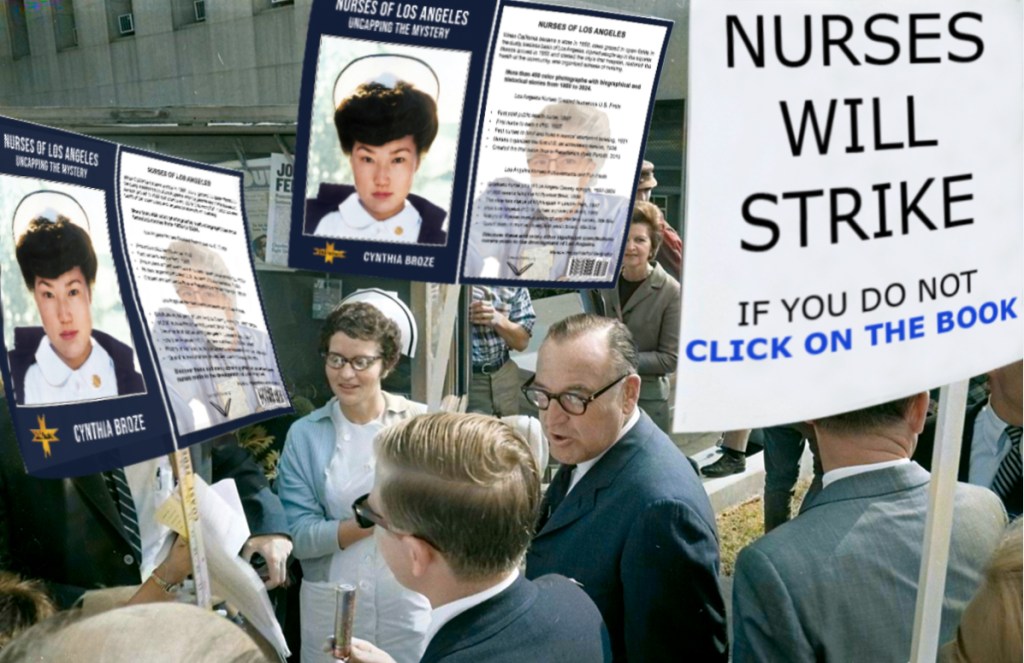
Six nurses traveled to Los Angeles in 1856, started the city’s first hospital, and created one of the largest group of nurses in the United States.
More than 450 COLOR photographs, from 1858 to 2024, accompany each historical story and biography as it is told.
- 1. Nurses Arrive in Los Angeles: 1856 -1894
- 2. The Great Decade: 1895 -1913
- 3. The History of Graduate Pins
- 4. The Great War to the Great Depression: 1914 -1929
- 5. Nurses Take Off: 1930 -1941
- 6. Girls Who Dreamt to Become a Nurse
- 7. World War II: 1942 -1945
- 8. Everything but the Utility Sink
- 9. Baccalaureates, Associates, and Theorists: 1946 -1987
- 10. Books to Protest and Collect
- 11. Practitioners, Doctorates, and Organizations: 1970 -1996
- 12. Anniversaries and Roses: 1997- 2013
- 13. Los Angeles County Graduate Pins & Schools of Nursing
- End Notes
- Bibliography
- Index
Hardcover: 394 pages
ISBN: 9780982650905
Semper Publishing (Dec 2024)
9 x 6 x 1.75 inch
Softcover: 394 pages
ISBN: 9780982650912
Semper Publishing (Dec 2024)
9 x 6 x 1.5 inch
Wonderfully told history intertwined with personal stories of heroines in the emerging profession of nursing. Many rare and interesting photos gives us a glance of our past nurses. Robert A. Sutton, Amazon
Unique book. Packed with photos and information about Los Angeles. A fun way to learn about history. I’ve never seen a book before on the history of nurses in one city. Well thought-out and researched. Bravo. Razhua, Amazon
Revelatory and excellent. The book was lent to me by someone who was mentioned in it and I didn’t finish because I had to return the book. I do recommend it, though, for some fascinating character studies plus a huge expanse of local history as viewed and experienced through the lives of nurses, starting from the 1800s. Flo, Goodreads
Watch entertaining Vintage Medical Videos on the Nurses of Los Angeles YouTube channel: Iron Lung Demonstrations, Army Nurses, Floats, Kaiser’s First Modern Hospital. One of the recurring favorites on the channel is about a school nurse explaining menstruation to a young girl in the 1950s called Molly Grows Up.
Photographs from the book
Nurses Work in Businesses
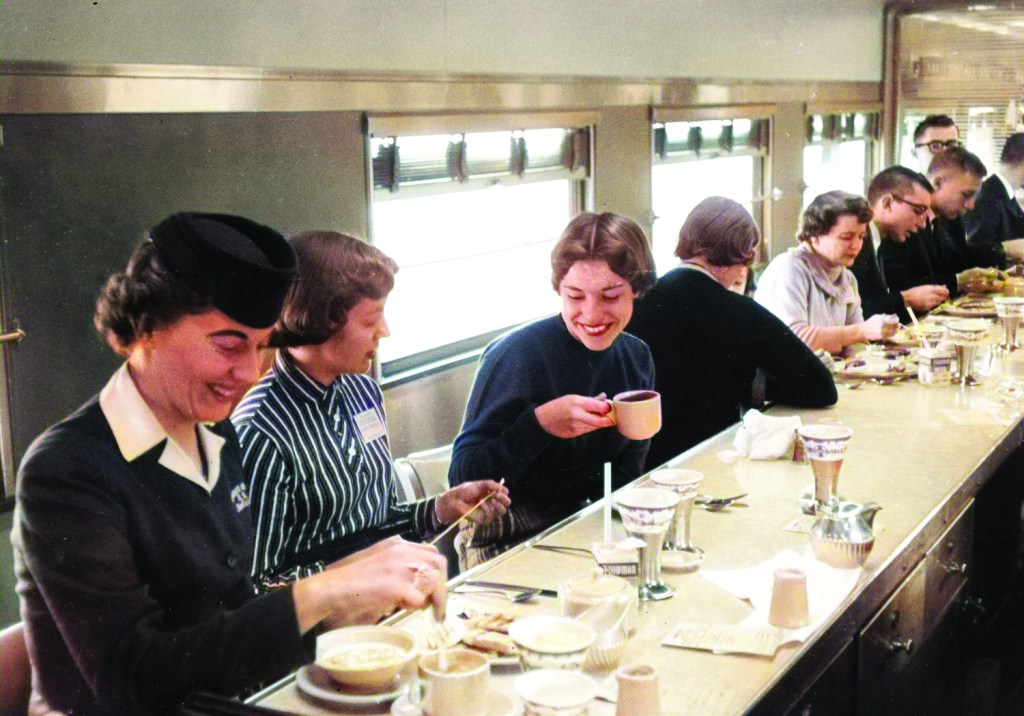
In 1935, the Union Pacific Railroad selected graduate nurses from Los Angeles, Salt Lake City, and Omaha hospitals to serve on its popular luxe coach train. The railway stewardesses launched a new branch of public health and industrial nursing. The job was challenging as they were the only health professionals on the train. Train trips were long: injuries, illnesses, and childbirth occurred in remote areas of the trips, which they needed to attend.
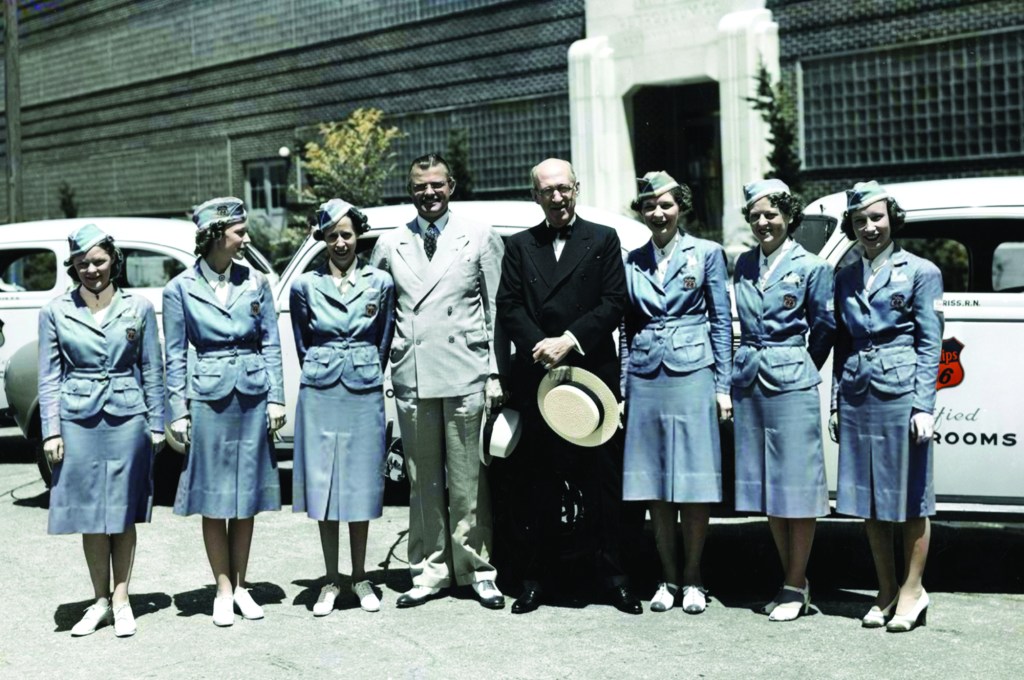
In 1939 Phillips Petroleum unveiled a campaign to clean up service station restrooms; the company employed local RNs to maintain the cleanliness image. They called the nurses Highway Hostesses.
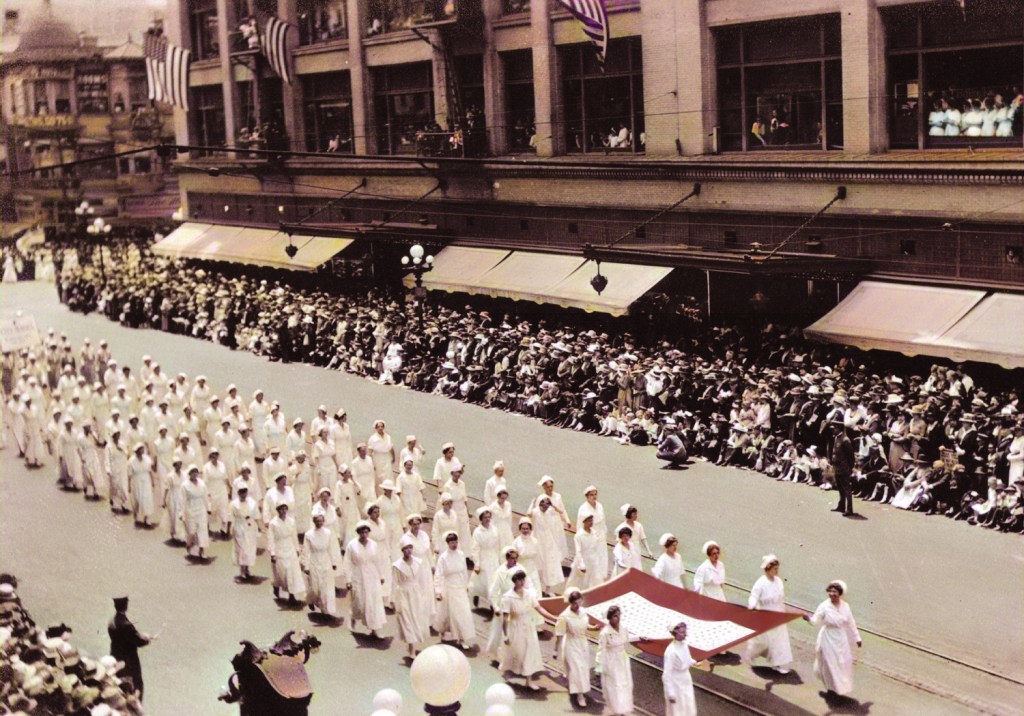
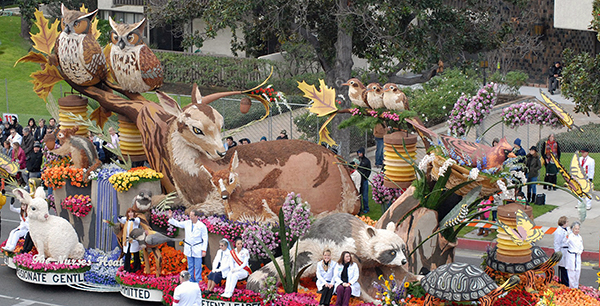
Nurses March in Parades
Los Angeles City Nurses in the 1918 Red Cross parade. Many cities in the United States held similar parades on the same day but the Los Angeles parade was the largest.
The 2013 Nurses’ Float the Pasadena Rose Parade. The first float ever envisioned by, and created by nurses, for nurses.
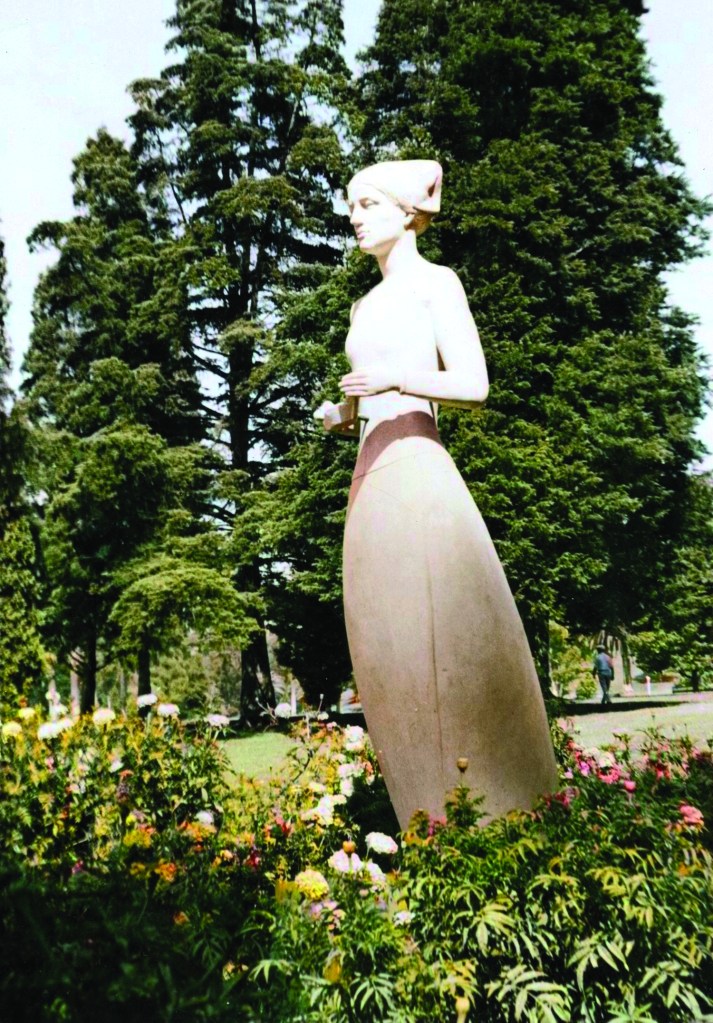
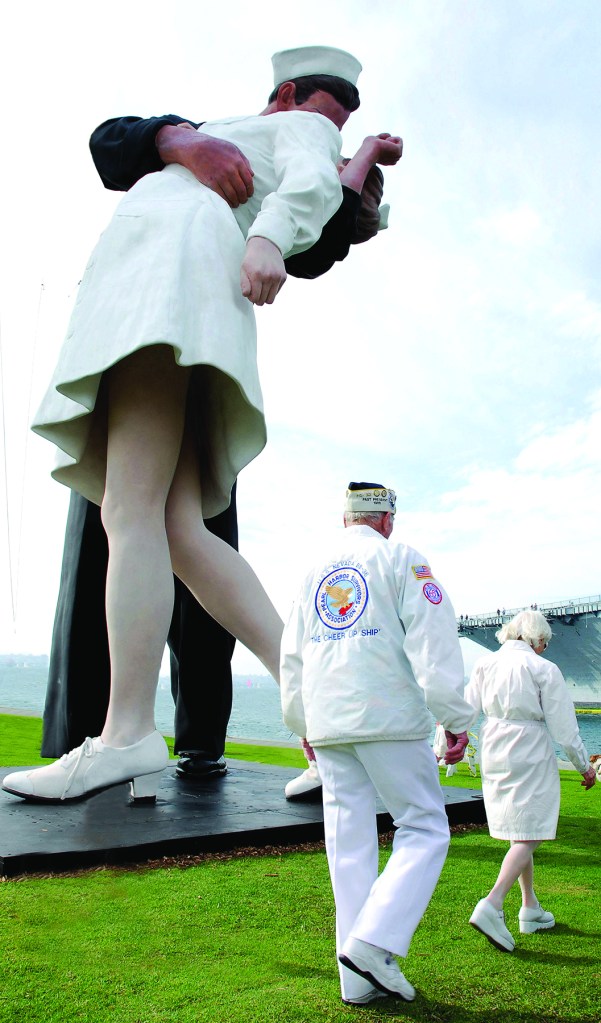
Nurses are Honored with Statues
In 1937 artist David Edstrom erected this serene statue of Florence Nightingale in Lincoln Park, in Los Angeles, for the Federal Arts Project. Through the years it’s been subjected to episodes of graffiti attacks and the arms broken off. The arms were recently repaired and the statue painted again but it’s doubtful that will last.
In 2007 artist J. Seward Johnson created this 25-foot, 6,000 lb. statue of the famous “WWII kiss” photograph between Los Angeles nurse Edith Shain and an unidentified Navy soldier on VJ day. The photo is of the statue’s dedication in Mole Park, San Diego, CA. Both the photo and the statue have created controversy for the aggressive nature of the kiss and the gaudiness of the statue. Shain said yes, a stranger grabbed and kissed her, but the men had suffered so much during the war that women allowed the kissing at this impromptu celebration in the streets of New York. A few woman and several men have claimed they were the people in the photo. The photographer, Alfred Aisenstaedt, agreed it was Shain and gave her a signed affidavit; he couldn’t identify the Navy man. This still didn’t stop others from claiming they knew it was them.
A few of the 450 color photographs in Nurses of Los Angeles: Uncapping the Mystery, 2nd Edition
 Cynthia Broze