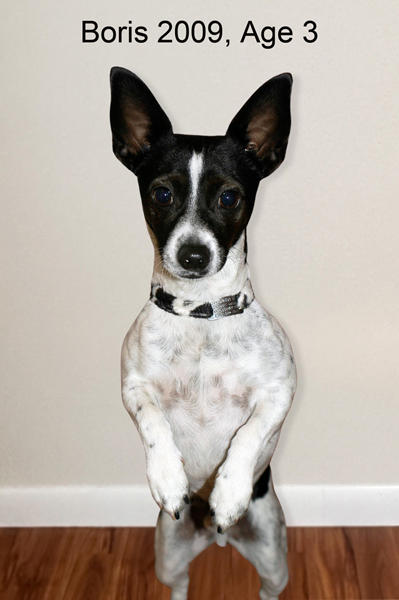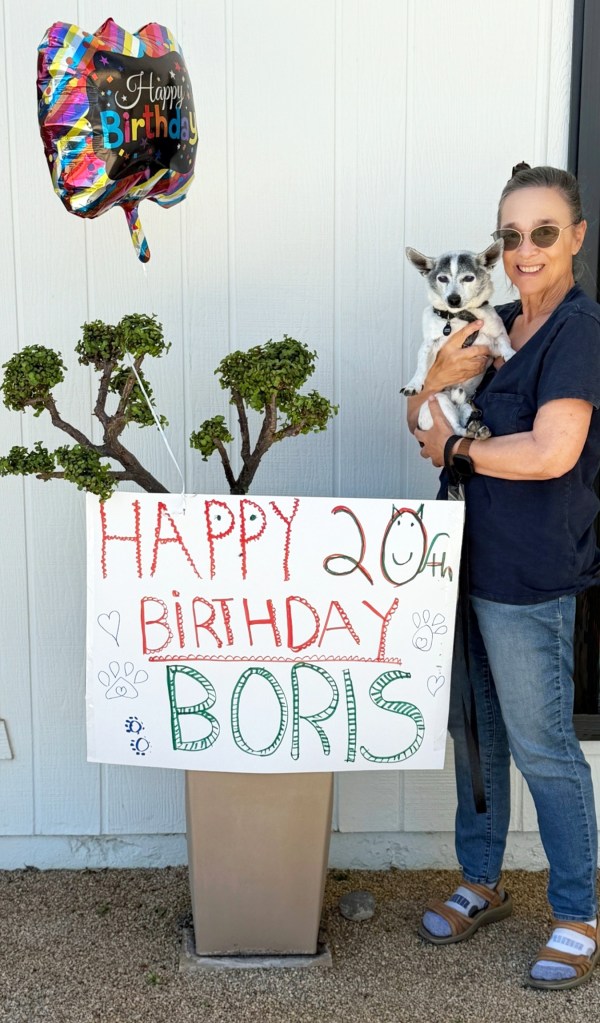
My mom died 15 years ago today. She was born 100 years ago this year. So today I trimmed my plants and added 10 more flowers to my yard. Miss you mom.
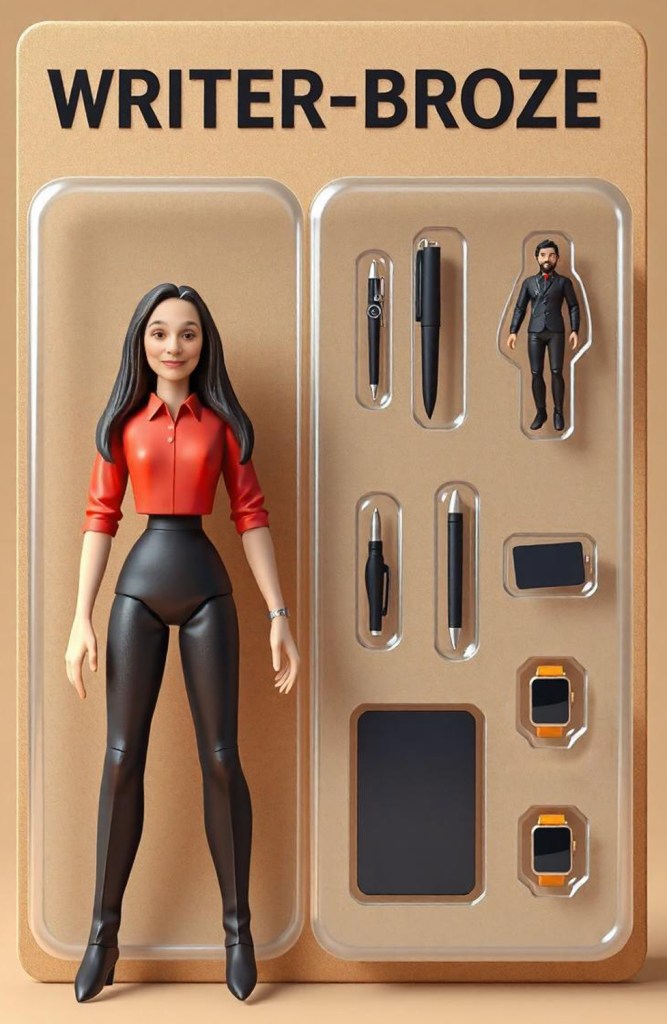
Four pens, two watches, and a pocket man.

Four pens, two watches, and a pocket man will get you through the day.
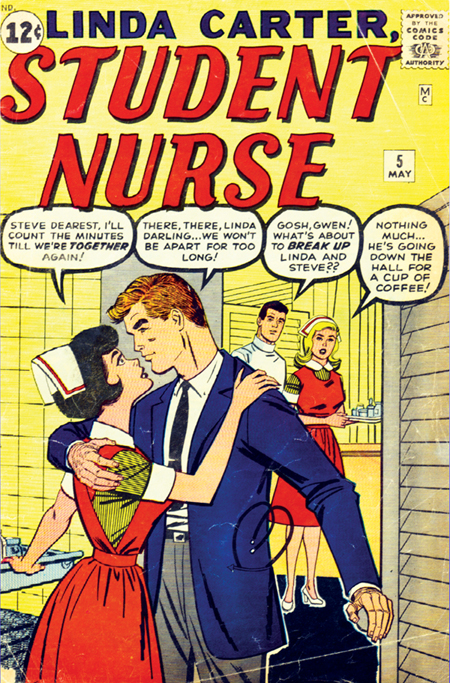
1962 Nurse Comic Book: Linda Carter, Student Nurse

Steve Dearest. I’ll count the minutes till we’re together again.
There, there, Linda Darling…we won’t be apart for too long!
Gosh, Gwen! What’s about the Break Up Linda and Steve?
Nothing much. He’s going down the hall for a cup of coffee
From the 1962 Nurse Comic: Linda Carter, Student Nurse

Happy 19th Birthday, Boris


You’re still a three-year-old to me.
Azusa Pacific DNP students
Thanks to the APU DNP students who graciously listened to me ramble on about my book Nurses of Los Angeles during one of their classes.
Nurses of Los Angeles: Uncapping the Mystery
Book Presentation in Bucyrus, Ohio.
September 18, 2024
Airplanes Fired Her Blood
Happy Nurses Day and Birthday of Florence Nightingale
You didn’t like being a nurse–why are you a nurse historian?
More ambivalence than dislike really. I became a nurse (in 1972) because I was good at it and I could always find a job. Plus I did enjoy studying science. But one of my main internal issues developed because of feminism.
I grew up in the second wave. Always thought, yes, of course to the core principles. I never had to learn it really; it always seemed natural. But feminist were suppose to be striking out into unchartered territories–becoming doctors not nurses–not accepting a status quo job. No one ever said women should stop being nurses, but I felt it anyway. People would ask…”Why do you do that hard job when it pays so little?” (now it pays much, much better but until the mid 1980s, not so).
Sometimes if you were good at your job people would say “You’re a real Florence Nightingale.” I would pout. “I work hard, I’m not walking around comforting patients all day. I’m not a handmaiden.” I didn’t know until I began to research nurses’ history that Nightingale was never pushed around. She was born wealthy but refused to accept marriage proposals from eligible rich men. She travelled around the world without her family when women rarely did that. She was know to be a great statistician and created one of the first pie charts. The military in Crimea War did not want her help, but she forced her way in to help the sick men anyway. She made them open up the windows, clean up the place, and dress the wounds. They wanted her to leave.
But she’s not the reason I became a nurse historian. By writing about nurses, and who they are, I hoped people could see they are not one dimensional creatures who live for their jobs, or are angels, or have some type of calling. Some might, but most did not and do not. They have a career but they are also artists and aviators and adventurers. Now when I look at its totality, I realize the profession was feminist from its start. Except that brief time in the 1950s-1960s when doctors were pushing them around a bit.
I can’t say I loved the 20 years I did the job, it was just ok. I did enjoy work more when I became a nurse practitioner–examining and diagnosing suited me better–but that opened up a whole new can of worms. Which I will discuss next time in “Nurse Practitioner: it’s a bit of a f-you.”